
4.9 · 116 reviews
Technology that follows the architecture
Lighting control, motorized shading, distributed audio, home theater, networking and control, designed from the architect’s set so the house reads exactly as it was drawn.

How we work
I will be sure to recommend your company to others and would be happy to be a reference, should that ever be helpful.
The work
What we design and install
Systems documented into the set and supported for as long as you own the house.
-
Lighting control and motorized shading
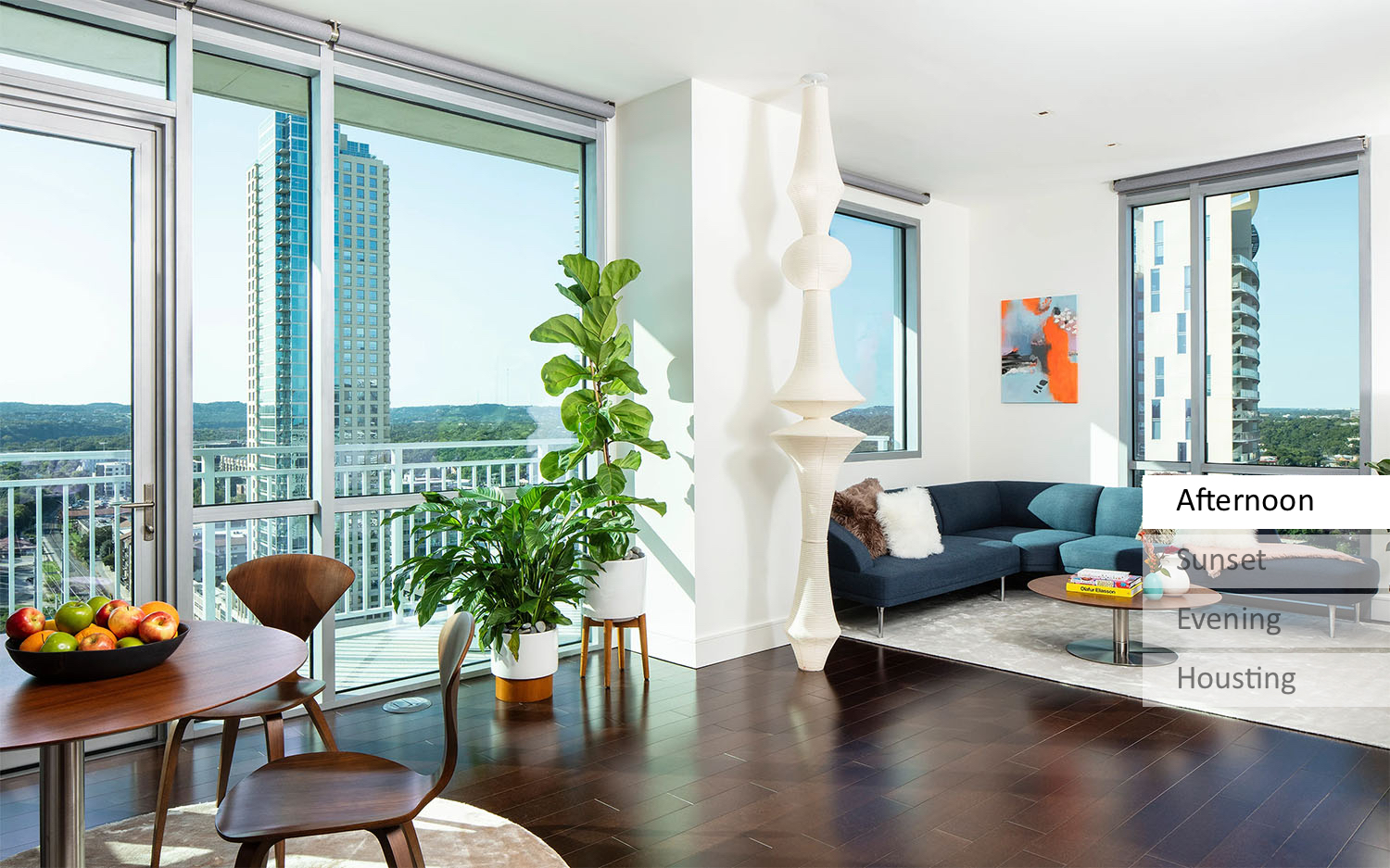
Lighting scenes and motorized shades designed with the architect and the lighting designer, so the house is lit the way it was drawn at every hour and the keypads sit where the drawings say.
-
Distributed audio and home theater
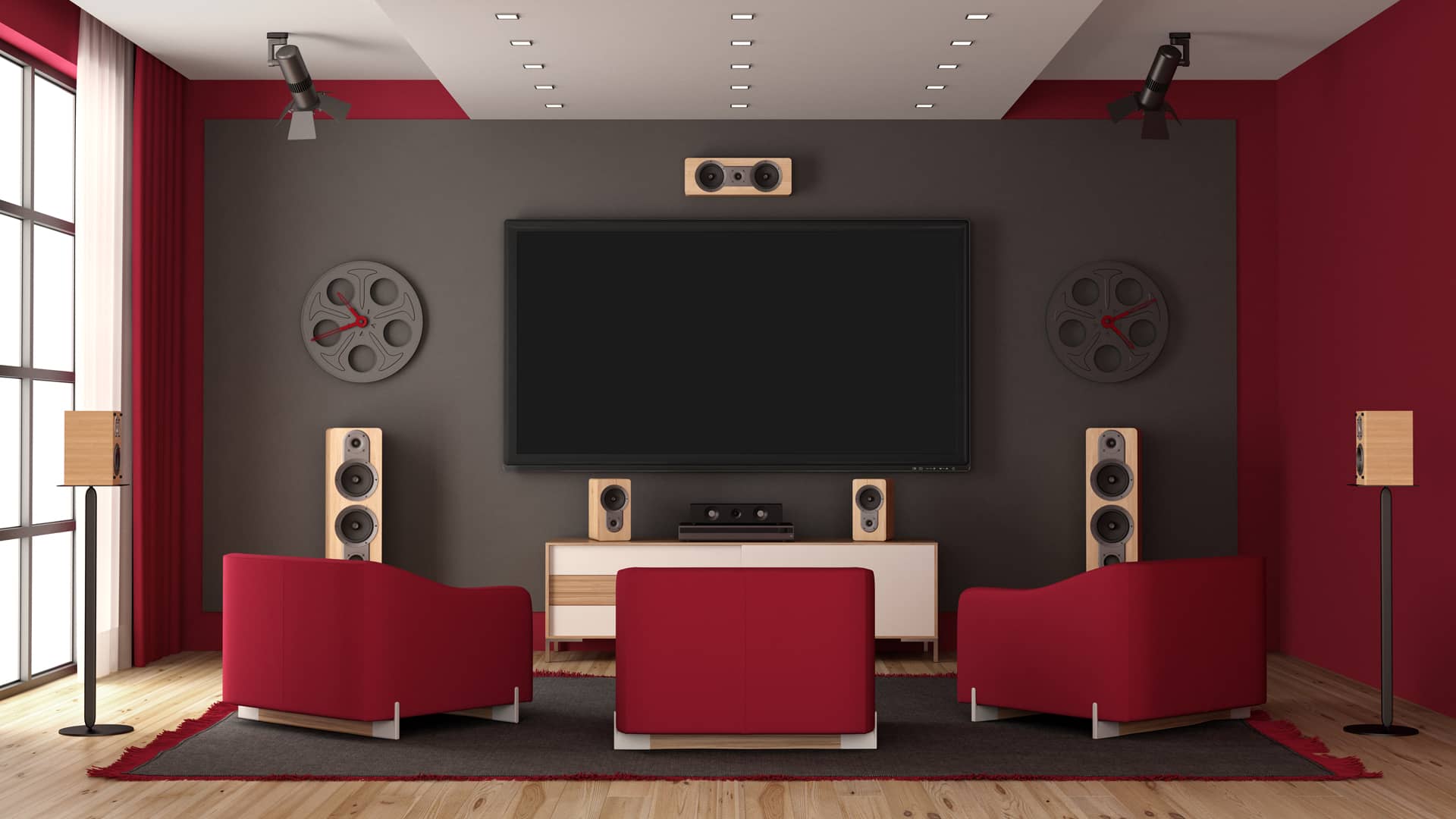
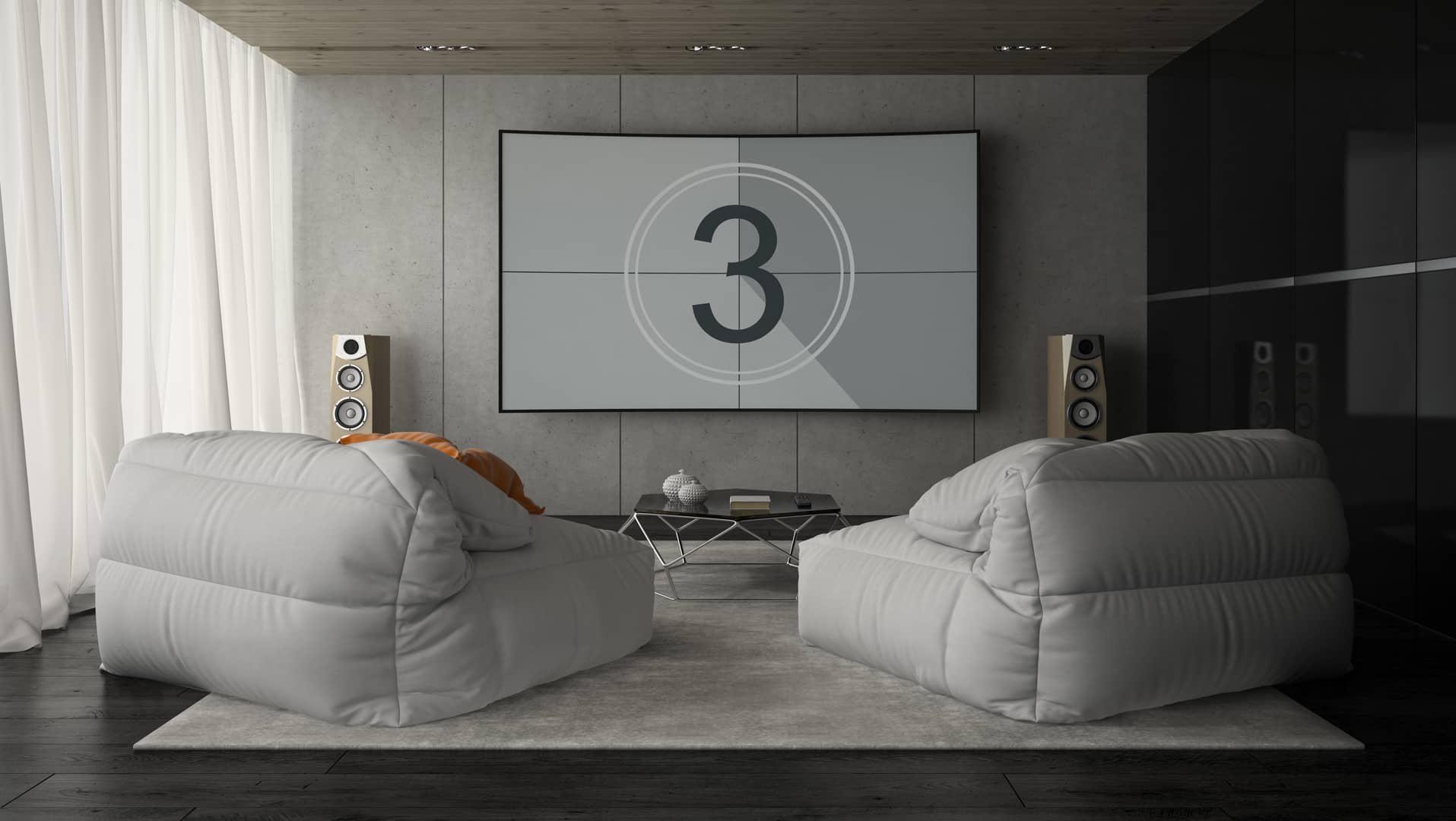
Music and picture in the rooms that want them, speakers and screens placed for the room rather than the catalogue, and a theater built around acoustics and sight lines before the equipment.
-
Networking, control and surveillance
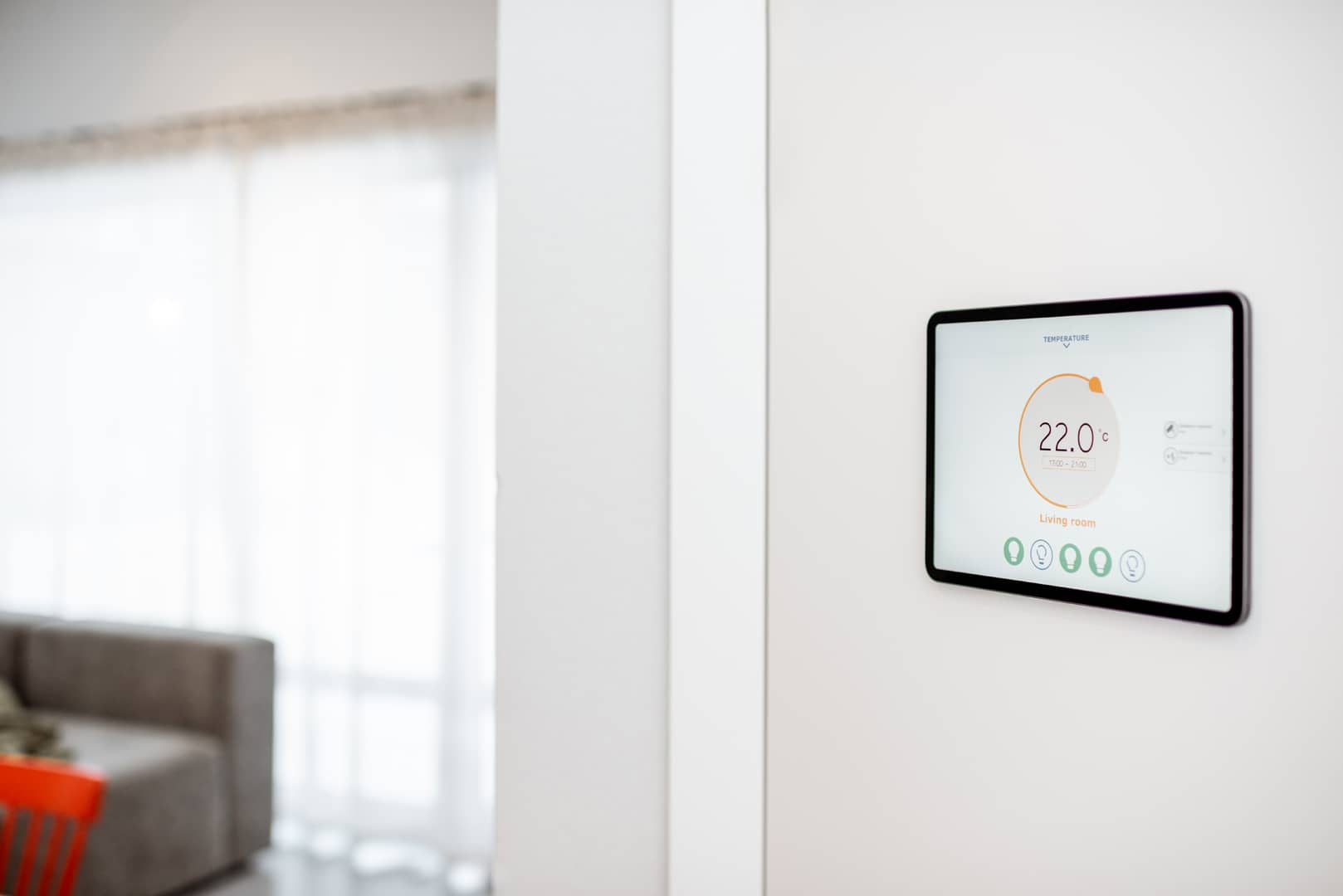
The enterprise-grade network everything else depends on, the control layer that puts the house on one button, and cameras placed with the architecture rather than on it.
-
Service after the handover
Documentation at handover, firmware kept current, remote diagnosis, and a plan for what happens when a product is discontinued. The part of the job most integrators leave out.
A drawing review before the walls close
The principal
Gerry Parker
President
Reads the drawings, designs the system and is the name on the phone after the handover.
How it goes
From the drawings to the handover
-
Plan-set review
A pass through the architect’s set from schematic design: what belongs in the house, where it goes, and what needs conduit, pockets and equipment space before any wall is closed.
-
Design and pre-wire
A documented system design folded into the drawings and coordinated with the electrician and the other trades, then the pre-wire at first fix, labeled and recorded.
-
Trim-out, programming, service
Speakers, keypads and shades installed at finish, the system programmed and calibrated room by room, then handed over with documentation and a service plan.
What owners and architects ask first
Will the technology be visible?
Home technology should be visible only where it is meant to be. Speakers, screens, keypads and shades are placed with the architect and designer so they disappear into the finish or sit exactly where the drawings intended. The equipment itself lives in a rack somewhere else.
When should we bring you in?
The right time to bring in a technology integrator is at schematic design. Conduit, shade pockets, speaker locations and equipment space are cheap on paper and expensive after drywall, and most change orders on a house like this come from technology designed too late.
Why do these systems get glitchy, and how do you prevent it?
Smart home systems get glitchy mostly because of the network: consumer-grade WiFi carrying a house full of devices. An enterprise-grade wired network, a control system programmed for one-button use, and firmware that is actually kept current are what make it boring, which is the goal.
What happens when something stops working in year three?
When a home system stops working in year three, you should be able to call the people who designed and installed it. Ask any integrator what their service plan covers, whether firmware is managed, and what happens when a product is discontinued. A system is only as good as who answers that call.
Bring us in before the walls close
A first conversation is a look at the drawings, a walk through how the house will be used, and a straight answer about what belongs in it and where.